
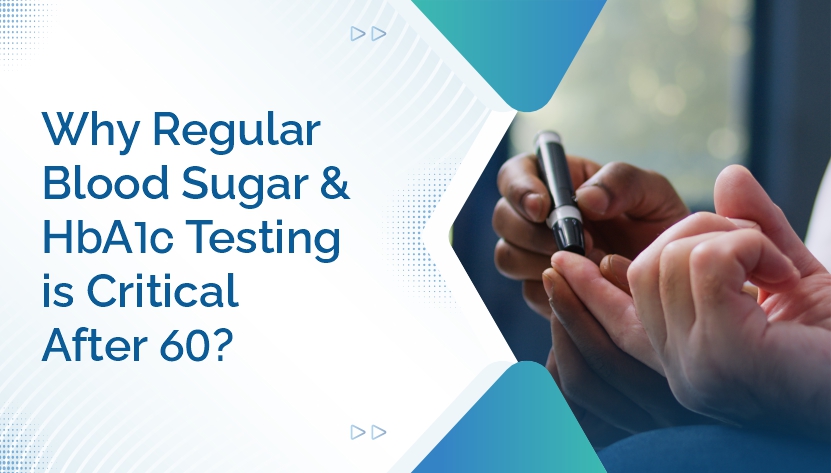


As we cross the age of 60, our bodies undergo natural physiological changes that can significantly affect metabolism, hormone regulation, and organ function. One of the most important health parameters that requires close monitoring in this stage of life is blood sugar. Regular Blood Glucose Testing and HbA1c testing are not just routine lab investigations — they are powerful preventive tools that can protect overall health, independence, and quality of life.
Diabetes and prediabetes are increasingly common in older adults, often developing silently without obvious symptoms. The metabolism changes with age, insulin sensitivity decreases, and the body’s ability to regulate glucose can falter. Ignoring these changes can lead to severe complications, ranging from cardiovascular issues to nerve damage. Regular testing is not merely a medical suggestion; it is a fundamental component of preserving quality of life and longevity.
The Physiology of Aging and Glucose Regulation
The human body undergoes significant physiological changes as it ages, many of which directly impact how it processes sugar.
Decreased Insulin Sensitivity
Insulin is the hormone responsible for allowing cells to absorb glucose from the bloodstream for energy. As we age, cells often become less responsive to insulin—a condition known as insulin resistance. The pancreas must work harder to produce more insulin to keep blood sugar levels stable. Over time, the pancreas may not keep up, leading to elevated blood glucose levels.
Muscle Mass Reduction
Sarcopenia, or the natural loss of muscle mass, accelerates after age 60. Muscles are the primary consumers of glucose in the body. With less muscle tissue available to absorb sugar from the blood, glucose remains in the circulation longer, increasing the risk of hyperglycemia (high blood sugar).
Pancreatic Function
The beta cells in the pancreas, which are responsible for insulin production, may decline in function and number with age. This reduction impairs the body’s ability to respond quickly to spikes in blood sugar after meals.
Distinguishing Between Blood Sugar and HbA1c
To manage metabolic health effectively, one must understand the two primary methods of testing glucose levels. They offer different snapshots of health and are both necessary for a complete clinical picture.
Blood Glucose (Blood Sugar)
This test measures the concentration of glucose in the blood at a specific moment in time.
• Fasting Plasma Glucose (FPG): Taken after at least 8 hours of fasting, usually in the morning. It indicates how well the body manages sugar in the absence of food.
• Postprandial Glucose: Taken two hours after a meal to see how the body handles a glucose load.
While valuable, these readings can fluctuate wildly based on recent meals, stress, physical activity, or illness. A single normal reading does not necessarily rule out underlying issues.
Hemoglobin A1c (HbA1c)
The HbA1c test provides a broader view. Glucose in the blood attaches to hemoglobin, the protein in red blood cells that carries oxygen. Because red blood cells live for about three months, measuring the percentage of hemoglobin coated with sugar gives an average of blood sugar levels over the past 8 to 12 weeks.
• Normal: Below 5.7%
• Prediabetes: 5.7% to 6.4%
• Diabetes: 6.5% or higher
For adults over 60, HbA1c is particularly critical because it is not affected by short-term fluctuations. It reveals the chronic state of glucose management.
The Silent Risks of Unmanaged Blood Sugar
High blood sugar is often called a "silent killer" because it can damage the body for years before symptoms become apparent. For seniors, the risks associated with untreated hyperglycemia are compounded by other age-related conditions.
Cardiovascular Health
Diabetes significantly increases the risk of heart disease and stroke. High glucose levels can damage blood vessels and the nerves that control the heart. In the over-60 demographic, where heart disease is already a primary concern, managing blood sugar is a key preventive measure against cardiac events.
Neuropathy and Mobility
Prolonged high blood sugar damages nerves, particularly in the legs and feet (peripheral neuropathy). This can lead to pain, tingling, or loss of sensation. For older adults, reduced sensation in the feet increases the risk of falls, injuries, and infections that may not be noticed until they become severe.
Vision and Kidney Function
The small blood vessels in the eyes and kidneys are highly susceptible to glucose damage. Diabetic retinopathy is a leading cause of vision loss, while diabetic nephropathy can compromise kidney function. Regular testing allows for early intervention, often preventing these conditions from progressing to irreversible stages.
Cognitive Decline
Emerging research suggests a strong link between high blood sugar and cognitive decline. Often referred to as "Type 3 Diabetes," insulin resistance in the brain is associated with an increased risk of Alzheimer’s disease and dementia. Keeping glucose levels in check is crucial for brain health.
Why Testing Frequency Matters After 60
Medical guidelines for testing frequency change as patient risk profiles evolve. For individuals over 60, the "wait and see" approach is rarely improved.
For Healthy Individuals
Even those with no history of diabetes should undergo HbA1c and fasting blood glucose testing at least once a year during their annual wellness exam. Age itself is a risk factor, and metabolic status can change rapidly.
For Those with Prediabetes
If previous tests have indicated prediabetes, testing frequency should increase to every 3 to 6 months. This window allows physicians to see if lifestyle interventions—such as diet changes or increased activity—are working or if medication is required to prevent the onset of Type 2 diabetes.
For Diagnosed Diabetics
For seniors already managing diabetes, testing schedules are more rigorous. Daily blood glucose monitoring may be required, alongside HbA1c tests every 3 months. However, targets for older adults may be slightly looser than for younger patients to avoid hypoglycemia (dangerously low blood sugar), which carries its own set of risks, including falls and confusion.
Interpreting Results in the Context of Comorbidities
Evaluating blood sugar in older adults requires a nuanced approach. Physicians often consider "functional status" and other existing health conditions (comorbidities) when setting target levels.
For a healthy 65-year-old with a long life expectancy, the goal might be tight control (HbA1c below 7%) to prevent long-term complications. However, for an 80-year-old with multiple chronic conditions, a slightly higher target might be acceptable to prioritize quality of life and avoid the immediate dangers of hypoglycemia.
Regular testing provides the data necessary for doctors to tailor these targets safely. It ensures that medication dosages are accurate and that the treatment plan aligns with the patient’s overall health goals.
Conclusion
Diagnostic testing is the first step toward health assurance. By establishing a routine of regular blood sugar and HbA1c monitoring, adults over 60 can detect issues before they become crises. This proactive approach enables timely interventions, whether through medication, dietary adjustments, or exercise regimens.
Prioritize your health by scheduling a comprehensive diagnostic screening today. Accurate and timely reports serve as the foundation for a healthy, active, and independent life in your senior years.

India is a nation celebrated for its diverse and flavorful cuisine. From the wheat-based...
10-03-2026

Maintaining a balanced diet is fundamental to achieving optimal health and wellness. Vitamins...
10-03-2026

The human body is a complex biological machine that requires a precise balance of vitamins...
10-03-2026
Vitamin Deficiency
15
Heart Disease & Hypertension
39
Gastrointestinal
2
Diabetes
59
Infectious
1
Genomics
1
Genetics
1
Gastrointestinal / Skeletomuscular
2
Allergy
9
Blood Disorders
3
Fever
4
Kidney Disease
8
Thyroid Disorder
5
Liver Disease
6
Anemia
5
Infertility
6
PCOD
3
Bone Health
1
Cancer
1
Fatty Liver
1
Book lab tests, access reports instantly, and get seamless home sample collection with advanced technology.
Trusted by millions, Ampath Labs ensures accurate diagnostics, convenience, and care at your fingertips.




 Select Location



 Get 15% OFF on 1st order above ₹100 Use code: