
₹499
₹599
₹699
.jpg)
₹799

₹1000
₹1199

₹1500

₹1699

₹1899
₹1899

₹2099

₹2299

₹2299

₹2399
A blood test is a laboratory analysis of a blood sample used to evaluate your overall health, detect infections, monitor chronic conditions, and assess organ function. Regular blood testing helps in early diagnosis and timely treatment.
Preparation depends on the type of test. Some blood tests require fasting for 8-12 hours, while others do not. Always follow the instructions provided at the time of booking.
Routine blood test reports are generally available within 24 hours. Specialized tests may take longer depending on the complexity of the analysis.
No, fasting is required only for certain tests such as blood sugar (Fasting Glucose) and Lipid Profile. Your doctor or lab will inform you if fasting is required.
Yes, blood tests are safe procedures performed by trained professionals using sterile equipment. Minor discomfort or slight bruising may occur but usually resolves quickly.
Yes, AMPATH Labs offers convenient home sample collection services for most routine and specialized blood tests.
After booking online or via phone, a trained phlebotomist visits your home at the scheduled time to collect the sample safely and hygienically.
Yes, home-collected samples are handled with proper labeling, temperature control, and timely transport to ensure accurate results.
Charges may vary by location and test type. Sometimes, home collection is complimentary for selected health packages.
Senior citizens, working professionals, pregnant women, and patients with mobility issues greatly benefit from home sample collection services.
Diabetes is commonly diagnosed using Fasting Blood Sugar (FBS), Postprandial Blood Sugar (PPBS), and HbA1c tests to measure glucose levels and long-term blood sugar control.
Thyroid disorders are evaluated using a Thyroid Profile, which includes T3, T4, and TSH levels.
Anemia is diagnosed using a Complete Blood Count (CBC) test, which measures hemoglobin levels and red blood cell counts.
A Lipid Profile test measures total cholesterol, HDL, LDL, and triglycerides to assess heart disease risk.
A Liver Function Test (LFT) evaluates enzymes and proteins to detect liver infection, inflammation, or damage.
A Kidney Function Test (KFT) measures creatinine, urea, and other parameters to assess kidney performance.
Vitamin D and Vitamin B12 blood tests help identify common nutritional deficiencies that may cause fatigue and weakness.
Tests such as CBC, CRP (C-Reactive Protein), ESR, and specific antigen or antibody tests help detect bacterial or viral infections.
In addition to a Lipid Profile, tests like High-Sensitivity CRP and Homocysteine may be recommended for assessing cardiovascular risk.
Healthy adults are advised to undergo routine blood tests once a year. Individuals with chronic conditions like diabetes, thyroid disorders, or high cholesterol may require more frequent monitoring as advised by their doctor.
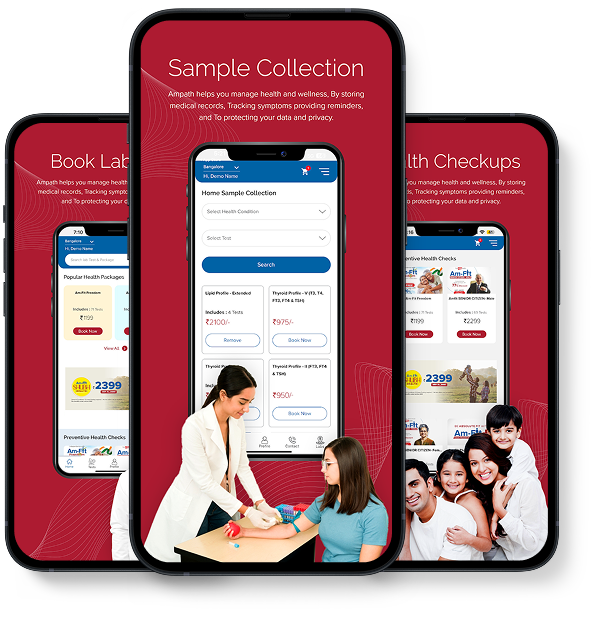
Book lab tests, access reports instantly, and get seamless home sample collection with advanced technology.
Trusted by millions, Ampath Labs ensures accurate diagnostics, convenience, and care at your fingertips.



 Lucknow




.jpg)


.jpg)













 Get 15% OFF on 1st order above ₹100 Use code: