aboutus

Don't Let Fever Bring You Down

Get Yourself Tested With AMPATH

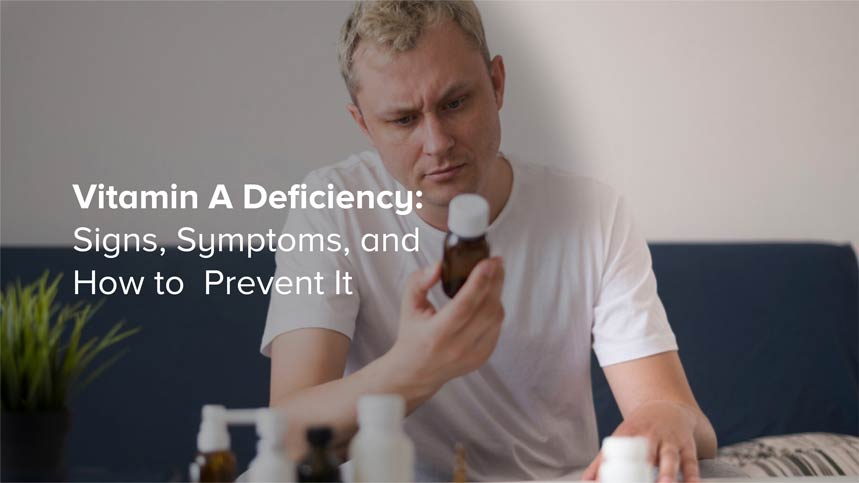
Vitamin A Deficiency: Signs, Symptoms, and How to Prevent It

Vitamin A is an essential fat-soluble vitamin that plays a vital role in maintaining good vision, a strong immune system, healthy skin, and proper growth and development. Despite its importance, vitamin A deficiency continues to be a significant public health concern in many parts of the world, particularly in developing countries. According to the World Health Organization (WHO), vitamin A deficiency is one of the leading causes of preventable blindness in children and contributes to increased risk of disease and death from severe infections.

What is Vitamin A?

Vitamin A refers to a group of fat-soluble compounds that are crucial for many bodily functions. It exists in two main forms:

  • Preformed Vitamin A (Retinol and Retinyl Esters): Found in animal-based foods such as dairy products, eggs, liver, and fish.
  • Provitamin A Carotenoids (like Beta-Carotene): Found in plant-based foods such as carrots, sweet potatoes, spinach, and other leafy green vegetables.

Once consumed, the body converts carotenoids into retinol, the active form of vitamin A.

Why is Vitamin A Important?

Vitamin A is involved in several essential processes, including:

  • Vision: Helps maintain healthy corneas and supports night vision.
  • Immune Function: Strengthens the body’s defense against infections.
  • Cell Growth: Supports normal cell growth and reproduction.
  • Skin Health: Keeps skin and mucous membranes healthy.
  • Reproductive Health: Plays a role in fertility and embryonic development.

Causes of Vitamin A Deficiency

Vitamin A deficiency can occur due to:

  • Inadequate Dietary Intake: A diet lacking in fruits, vegetables, and animal products.
  • Malabsorption Disorders: Conditions like celiac disease, cystic fibrosis, or chronic diarrhea reduce the body’s ability to absorb vitamin A.
  • Liver Disorders: Since vitamin A is stored in the liver, diseases affecting the liver may impair storage and release.
  • Alcoholism: Excessive alcohol consumption interferes with vitamin A metabolism.
  • Poverty and Malnutrition: Limited access to vitamin A-rich foods, especially in developing nations, is the leading cause.

Signs and Symptoms of Vitamin A Deficiency

Vitamin A deficiency may manifest gradually and can affect various parts of the body. The most common signs and symptoms include:

  • Vision-Related Problems:
    • Night Blindness: One of the earliest signs. A person has difficulty seeing in dim light.
    • Xerophthalmia: A progressive eye disorder starting with dryness of the conjunctiva and cornea.
    • Bitot’s Spots: Foamy, whitish patches on the conjunctiva of the eye.
    • Corneal Ulcers and Blindness: Severe deficiency can lead to irreversible blindness.
  • Skin and Hair Issues:
    • Dry, Rough Skin (Phrynoderma): The skin becomes rough, dry, and scaly due to lack of vitamin A.
    • Dry Hair and Hair Loss: Weak follicles lead to brittle hair.
  • Weakened Immunity:
    • Frequent Infections: Vitamin A plays a role in maintaining immune function; deficiency increases susceptibility to respiratory infections, diarrhea, and measles.
  • Growth and Reproductive Problems:
    • Stunted Growth in Children: Vitamin A supports proper growth and bone development.
    • Fertility Issues: In severe cases, deficiency may affect reproductive health.
  • Delayed Wound Healing:
    • Vitamin A aids tissue repair, and deficiency may cause slow wound healing.

Risk Factors for Vitamin A Deficiency

Certain groups are more vulnerable to deficiency:

  • Infants and Young Children: Rapid growth increases vitamin A requirements.
  • Pregnant and Lactating Women: Higher nutritional demands make them prone to deficiency.
  • People with Chronic Illnesses: Especially those affecting the gut, liver, or pancreas.
  • People Living in Poverty or Food-Insecure Areas: Limited access to nutrient-rich foods.

Complications of Vitamin A Deficiency

If left untreated, vitamin A deficiency can lead to serious complications:

  • Irreversible Blindness in children.
  • Increased Child Mortality due to higher risk of infections.
  • Severe Maternal Complications during pregnancy.
  • Developmental Delays in children.

How to Prevent Vitamin A Deficiency

The good news is that vitamin A deficiency is preventable with proper nutrition and awareness. Here are key strategies:

  • Eat a Vitamin A-Rich Diet: Include foods rich in vitamin A and carotenoids:
    • Animal Sources: Liver, fish oils, milk, cheese, butter, and eggs.
    • Plant Sources: Carrots, pumpkin, sweet potatoes, spinach, kale, mangoes, and papayas.
  • Vitamin A Supplementation: In areas where deficiency is widespread, high-dose vitamin A supplements are often provided to children and pregnant women as part of national health programs.
  • Fortification of Foods: Fortifying staple foods such as cooking oils, margarine, sugar, and milk with vitamin A has proven effective in reducing deficiency rates.
  • Breastfeeding: Breast milk is a natural source of vitamin A. Exclusive breastfeeding for the first six months of life provides infants with adequate nutrition.
  • Manage Underlying Health Conditions: Treating malabsorption disorders, liver diseases, or infections that interfere with vitamin A absorption is essential.
  • Education and Awareness: Health education campaigns highlighting the importance of vitamin A can encourage communities to consume locally available vitamin A-rich foods.

Recommended Daily Intake of Vitamin A

According to dietary guidelines, the recommended daily intake of vitamin A is:

  • Infants (0–12 months): 400–500 mcg
  • Children (1–8 years): 300–400 mcg
  • Males (9–13 years): 600 mcg
  • Females (9–13 years): 600 mcg
  • Adult Men: 900 mcg
  • Adult Women: 700 mcg
  • Pregnant Women: 770 mcg
  • Lactating Women: 1,200 mcg

Conclusion

Vitamin A deficiency remains a major global health problem, especially in developing nations, but it is entirely preventable. Recognizing early signs such as night blindness, frequent infections, and dry skin is crucial. A diet rich in fruits, vegetables, dairy, and animal products, along with supplementation and food fortification programs, can significantly reduce the risk.

Maintaining adequate vitamin A intake is not only vital for vision but also for strong immunity, healthy skin, growth, and overall well-being. By raising awareness and promoting better nutrition, we can combat vitamin A deficiency and its serious consequences.

Subscription Subscribe to our newsletter and receive a selection of cool articles every weeks
By checking this box, you confirm that you have read and are agreeing to our terms of use regarding the storage of the data submitted through this form.

Cart

Tests added here are for 1 member. You can add or remove members in the next step.