
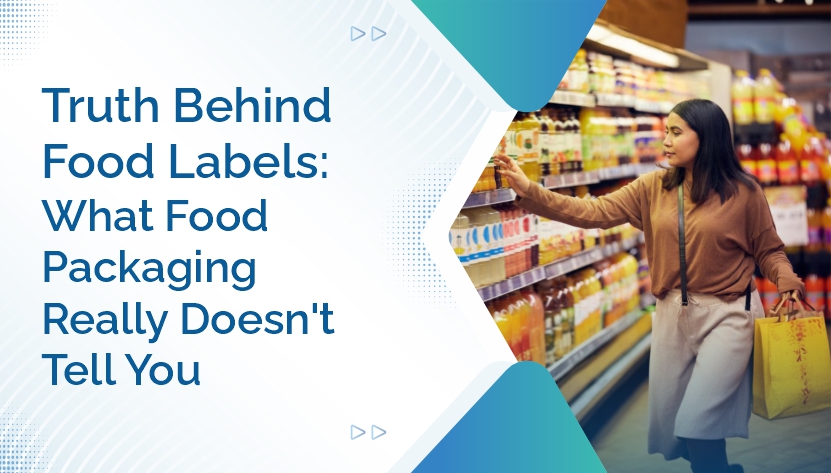


Walking down the aisles of a supermarket, consumers are bombarded with colorful packaging, bold claims, and health-centric buzzwords. "All Natural," "Multigrain," and "No Added Sugar" are plastered across boxes and bottles, painting a picture of wholesome nutrition. However, what is printed on the front of the package is often a marketing tool designed to sell a product rather than an accurate reflection of its nutritional value.
Understanding the reality behind food labels is essential for making informed dietary choices. While regulatory bodies like the FDA mandate specific information on the Nutrition Facts panel, the front-of-package claims operate in a grayer area where legal definitions can be surprisingly loose.
The "All Natural" Misconception
One of the most pervasive and misunderstood labels in the food industry is "Natural" or "All Natural." To the average consumer, this suggests a product free from synthetic ingredients, pesticides, and heavy processing. The reality is far more complex.
Currently, the FDA does not have a formal definition for the term "natural." The agency generally considers it to mean that nothing artificial or synthetic (including all color additives regardless of source) has been included in, or has been added to, a food that would not normally be expected to be in that food. However, this policy does not address food production methods, such as the use of pesticides, or food processing methods, such as thermal technologies, pasteurization, or irradiation.
Consequently, a product labeled "All Natural" can still contain:
• High fructose corn syrup
• Genetically modified organisms (GMOs)
• Meat from animals raised with antibiotics or growth hormones
Consumers seeking truly unprocessed foods should look beyond this label and instead focus on the ingredient list. A short list of recognizable ingredients is a far better indicator of a natural product than the word "Natural" on the front of the box.
The "Made With" Loophole
Another common marketing tactic involves the phrase "Made With." You might see crackers "Made with Whole Grains" or fruit snacks "Made with Real Fruit." While these statements are technically true, they often obscure the primary ingredients.
A product claiming to be "Made with Whole Grains" only requires a small amount of whole grains to be present. The first ingredient—and therefore the most abundant—could be refined white flour. Similarly, fruit snacks "Made with Real Fruit" often list sugar or corn syrup as the primary ingredient, with fruit puree concentrate appearing much further down the list.
To verify these claims, always consult the ingredient list. Ingredients are listed in descending order by weight. If the "whole grain" or "real fruit" appears third, fourth, or fifth on the list, the product is likely not as healthy as the packaging suggests. Look for the word "Whole" as the very first word in the ingredient list (e.g., "Whole Wheat Flour") to ensure you are getting the nutritional benefits you expect.
"Sugar-Free" vs. "No Added Sugar"
Sugar content is a major concern for many health-conscious individuals, but the terminology surrounding it can be confusing. "Sugar-Free" and "No Added Sugar" are distinct claims with different implications for your health.
• Sugar-Free: This indicates that the product contains less than 0.5 grams of sugar per serving. However, to maintain sweetness, manufacturers often replace sugar with artificial sweeteners or sugar alcohols. While these lower the calorie count, some individuals may experience digestive issues with sugar alcohols, and the long-term health effects of certain artificial sweeteners remain a topic of research.
• No Added Sugar: This means that no sugar or sugar-containing ingredients were added during processing. However, the product may still be naturally high in sugar. Fruit juices and dried fruits are prime examples; they contain significant amounts of natural fructose. While natural sugars are generally accompanied by fiber and vitamins (in whole fruit), processed versions may lack these nutrients while still delivering a high glycemic load.
It is crucial to look at the "Total Sugars" line on the Nutrition Facts panel to understand the full impact on your diet, regardless of the source.
The "Multigrain" Illusion
"Multigrain" sounds inherently healthy, implying a diverse array of nutrients. In reality, this term simply means the product contains more than one type of grain. It does not guarantee that any of those grains are whole grains.
A multigrain bread, for example, could be made primarily of refined white flour with small amounts of oats, barley, and rye added for texture. Without the germ and the bran—the nutrient-rich parts of the grain—refined grains lack the fiber and vitamins found in whole grain counterparts.
To ensure you are purchasing a nutrient-dense product, look for "100% Whole Grain" or "100% Whole Wheat" on the package. If the label merely says "Multigrain," "Seven Grain," or "Wheat," check the ingredient list to confirm that a whole grain is the first ingredient listed.
Serving Size Manipulation
The nutritional data provided on the back of a package is calculated based on a specific "serving size." Historically, these serving sizes have often been unrealistically small, allowing manufacturers to make products appear lower in calories, fat, and sugar than they typically are when consumed in real-world portions.
For instance, a small bag of chips might look like a single-serving snack, but the label may define the bag as containing 2.5 servings. If a consumer eats the entire bag, they must multiply the calories, sodium, and fat listed on the label by 2.5 to understand their true intake.
While recent FDA updates have required serving sizes to more accurately reflect what people actually eat, discrepancies still exist. Always compare the serving size listed to the amount you plan to consume. This simple check prevents unintentional overconsumption of calories and processed ingredients.
Deciphering "Free Range" and "Cage Free"
Ethical and quality concerns often drive consumers toward eggs and poultry labeled "Free Range" or "Cage Free." While these labels suggest open pastures and humane treatment, the regulatory definitions are minimal.
• Cage-Free: For eggs, this means hens are not housed in cages. However, they may still be kept indoors in crowded barns with little to no access to the outdoors.
• Free-Range: This requires that animals have "access" to the outdoors. The USDA does not specify the quality or duration of that access. In some cases, a small door to a concrete patch is sufficient to meet the requirement, even if the animals rarely use it.
For consumers seeking high animal welfare standards, third-party certifications such as "Certified Humane" or "Animal Welfare Approved" provide more rigorous auditing and specific requirements regarding space and outdoor access than the standard USDA definitions.
Conclusion
Food packaging is designed to capture attention and drive sales. While the FDA regulates the Nutrition Facts panel and ingredient list, front-of-package claims often rely on technicalities and consumer assumptions. By looking past the bold marketing claims and scrutinizing the ingredient list and nutrition panel, you can make choices that align with your health goals. True nutritional awareness comes not from reading the slogans on the front, but from understanding the data on the back.

India is a nation celebrated for its diverse and flavorful cuisine. From the wheat-based...
10-03-2026
Maintaining a balanced diet is fundamental to achieving optimal health and wellness. Vitamins...
10-03-2026
The human body is a complex biological machine that requires a precise balance of vitamins...
10-03-2026
Vitamin Deficiency
15
Heart Disease & Hypertension
39
Gastrointestinal
2
Diabetes
59
Infectious
1
Genomics
1
Genetics
1
Gastrointestinal / Skeletomuscular
2
Allergy
9
Blood Disorders
3
Fever
4
Kidney Disease
8
Thyroid Disorder
5
Liver Disease
6
Anemia
5
Infertility
6
PCOD
3
Bone Health
1
Cancer
1
Fatty Liver
1
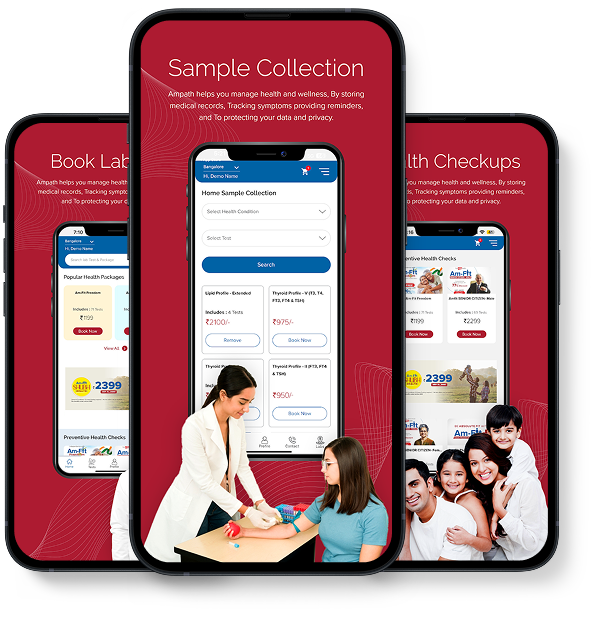
Book lab tests, access reports instantly, and get seamless home sample collection with advanced technology.
Trusted by millions, Ampath Labs ensures accurate diagnostics, convenience, and care at your fingertips.



 Select Location



 Get 15% OFF on 1st order above ₹100 Use code: