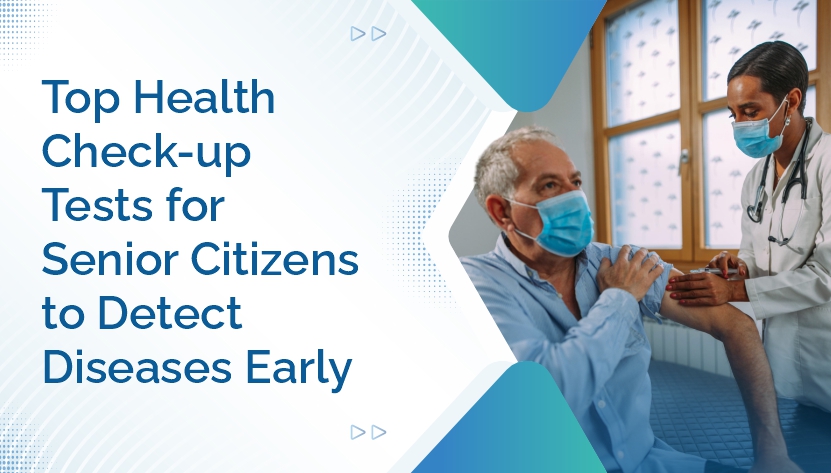


As we age, the body undergoes various physiological changes that can increase susceptibility to chronic conditions and age-related diseases. While a healthy lifestyle is fundamental, proactive medical care is equally critical for maintaining quality of life in later years. Regular health screenings act as a powerful tool for early detection, allowing medical professionals to address potential issues before they develop into severe complications.
For senior citizens, the focus of healthcare often shifts from prevention to management and early intervention. Many serious conditions, including heart disease, diabetes, and certain cancers, often present with no obvious symptoms in their initial stages. Routine diagnostic tests provide a clear picture of an individual's internal health, enabling timely medical responses.
Top Health Checkup Tests for Senior Citizens
Cardiovascular Health Screenings
Heart disease remains a leading cause of morbidity among the elderly. Monitoring cardiovascular health through specific tests is non-negotiable for seniors.
Blood Pressure Monitoring
High blood pressure, or hypertension, is often called the "silent killer" because it rarely shows symptoms until significant damage has occurred. Uncontrolled hypertension can lead to stroke, heart attack, and kidney failure. Seniors should have their blood pressure checked at least once a year, or more frequently if they have pre-existing conditions.
Lipid Profile
A lipid profile measures the levels of cholesterol and triglycerides in the blood. High levels of Low-Density Lipoprotein (LDL) cholesterol can lead to plaque buildup in the arteries, increasing the risk of heart disease. Conversely, High-Density Lipoprotein (HDL) is considered "good" cholesterol. A comprehensive lipid profile helps physicians assess the risk of atherosclerosis and coronary artery disease.
ECG and 2D Echo
An Electrocardiogram (ECG) records the electrical activity of the heart, helping to detect irregular heart rhythms (arrhythmias) or evidence of a previous heart attack. A 2D Echocardiogram provides a visual representation of the heart's movement and structure, assessing how well the heart pumps blood and the condition of the heart valves.
Diabetes Screening
Type 2 diabetes is prevalent among older adults and can lead to severe complications affecting the eyes, kidneys, nerves, and heart if left unmanaged.
Fasting Blood Sugar and HbA1c
The Fasting Plasma Glucose test measures blood sugar levels after an overnight fast. However, the HbA1c test is often more indicative of long-term control, as it provides an average of blood sugar levels over the past two to three months. Regular screening is vital for pre-diabetics and those with a family history of diabetes to implement lifestyle changes or medication early.
Bone Health Assessment
Aging affects bone density, making bones more brittle and susceptible to fractures. This is particularly concerning for post-menopausal women, though men are also at risk.
Vitamin D and Calcium Levels
Vitamin D is essential for calcium absorption. Deficiencies in these nutrients can accelerate bone loss. Blood tests to measure serum calcium and 25-hydroxy vitamin D levels help determining if supplementation is necessary to maintain skeletal integrity.
DEXA Scan (Bone Densitometry)
A Dual-Energy X-ray Absorptiometry (DEXA) scan is the gold standard for measuring bone mineral density. It is used to diagnose osteoporosis and osteopenia (low bone mass). Early detection allows for interventions that can significantly reduce the risk of hip and spinal fractures, which are major causes of disability in the elderly.
Cancer Screenings
Age is a significant risk factor for various types of cancer. Screening guidelines may vary based on individual health history, but several tests are generally recommended.
Colorectal Cancer Screening
Colorectal cancer is common in seniors. Screening methods include a fecal occult blood test (FOBT) or a colonoscopy. These tests can detect precancerous polyps, which can be removed before they turn into cancer.
Prostate Screening (For Men)
For men over 50, screening for prostate cancer usually involves a Prostate-Specific Antigen (PSA) blood test and a digital rectal exam. Elevated PSA levels may indicate prostate enlargement or cancer, prompting further investigation.
Mammography and Pap Smear (For Women)
Women should discuss the frequency of mammograms with their healthcare provider. While the risk of cervical cancer decreases with age, Pap smears may still be recommended depending on past screening history.
Sensory and Functional Tests
Maintaining independence relies heavily on the ability to see and hear clearly.
Audiometry (Hearing Test)
Age-related hearing loss (presbycusis) is common and can lead to social isolation and cognitive decline. An audiometry test evaluates the ability to hear sounds at different frequencies and intensities. Hearing aids or other assistive devices can drastically improve quality of life.
Comprehensive Eye Exam
Seniors are at higher risk for cataracts, glaucoma, diabetic retinopathy, and age-related macular degeneration. An annual eye exam is crucial, not just for checking vision prescription, but for examining the health of the retina and optic nerve.
Thyroid Function Tests
Thyroid disorders can manifest differently in older adults, often mimicking symptoms of aging such as fatigue, memory issues, or weight changes. A Thyroid Function Test (TFT) measures levels of T3, T4, and TSH hormones. Hypothyroidism (underactive thyroid) is particularly common in seniors and is easily treatable with medication once diagnosed.
Kidney and Liver Function Tests
As the body ages, the efficiency of organs can decline. Monitoring their function is essential, especially for seniors taking multiple medications, which can impact liver and kidney health.
Kidney Function Test (KFT)
This includes measuring blood urea nitrogen (BUN) and creatinine levels to evaluate how well the kidneys are filtering waste from the blood.
Liver Function Test (LFT)
This panel checks for enzymes and proteins that indicate liver health. It helps in detecting liver damage or inflammation caused by fatty liver disease or medication side effects.
Vitamin B12 and Iron Studies
Deficiencies in Vitamin B12 and iron are frequent in the elderly due to dietary changes or reduced absorption capability. These deficiencies can lead to anemia, fatigue, and cognitive impairments. A simple blood test can identify these levels, allowing for dietary adjustments or supplementation.
Conclusion
Regular health checkups are an investment in a healthier, more active future. They shift the focus from reactive treatment to proactive wellness. At AMPATH Labs, we are committed to providing precise, accurate diagnostic services tailored to the unique needs of senior citizens. By staying ahead of potential health issues through timely screening, seniors can enjoy their golden years with confidence and peace of mind.

India is a nation celebrated for its diverse and flavorful cuisine. From the wheat-based...
10-03-2026

Maintaining a balanced diet is fundamental to achieving optimal health and wellness. Vitamins...
10-03-2026

The human body is a complex biological machine that requires a precise balance of vitamins...
10-03-2026
Vitamin Deficiency
15
Heart Disease & Hypertension
39
Gastrointestinal
2
Diabetes
59
Infectious
1
Genomics
1
Genetics
1
Gastrointestinal / Skeletomuscular
2
Allergy
9
Blood Disorders
3
Fever
4
Kidney Disease
8
Thyroid Disorder
5
Liver Disease
6
Anemia
5
Infertility
6
PCOD
3
Bone Health
1
Cancer
1
Fatty Liver
1
Book lab tests, access reports instantly, and get seamless home sample collection with advanced technology.
Trusted by millions, Ampath Labs ensures accurate diagnostics, convenience, and care at your fingertips.




 Select Location



 Get 15% OFF on 1st order above ₹100 Use code: