
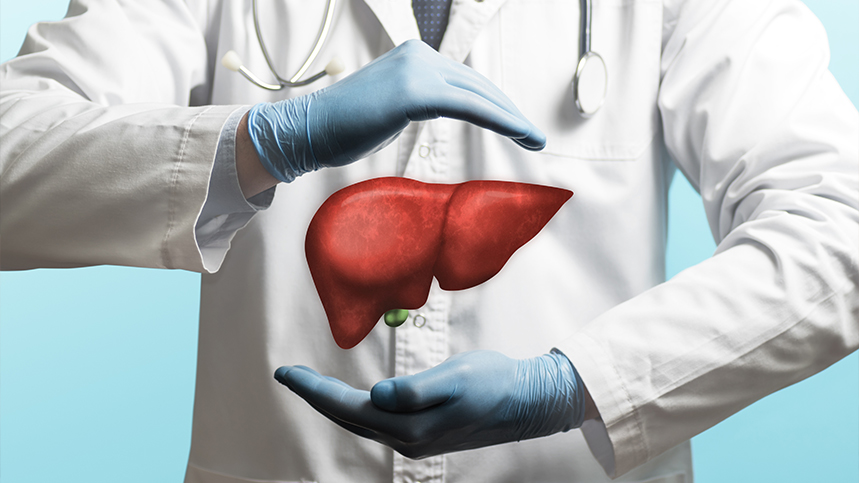


Liver cancer is a deadly disease that affects millions of people worldwide. While there are several factors that contribute to the development of liver cancer, one of the most significant risk factors is chronic hepatitis infection. Hepatitis B and C are two viral infections that can cause chronic liver disease and eventually lead to liver cancer. However, there is a solution to prevent these viral infections from occurring in the first place: hepatitis vaccination.
Hepatitis B vaccine is highly effective in preventing hepatitis B
The hepatitis B vaccine is highly effective in preventing hepatitis B infection, and it is recommended for all infants, children, and adults who are at risk of contracting the virus. The vaccine is given in a series of three shots over six months, and it is 95% effective in preventing hepatitis B infection. The vaccine is so effective that it has been shown to prevent chronic hepatitis B infection and liver cancer in those who receive it.
Similarly, the hepatitis A vaccine is also highly effective in preventing hepatitis A infection, which can cause liver damage and eventually lead to liver cancer. The hepatitis A vaccine is recommended for all children and adults who are at risk of contracting the virus. The vaccine is given in two shots over six months, and it is 94% effective in preventing hepatitis A infection.
It is important to note that there is currently no vaccination for hepatitis C, but there are other preventative measures that can be taken to reduce the risk of contracting the virus. These measures include avoiding sharing needles with others, practicing safe sex, and avoiding unprotected contact with blood and bodily fluids.
Getting vaccinated against hepatitis B and A is important not just for those who are at risk of developing liver cancer, but also for the community. When more people are vaccinated against these viruses, the chance of an outbreak occurring is significantly reduced. Therefore, getting vaccinated not only protects you but also those around you.
Conclusion
Preventing liver cancer is possible through the use of hepatitis vaccination. The hepatitis B and A vaccines are highly effective in preventing viral infections that can lead to chronic liver disease and liver cancer. It is important for individuals who are at risk of contracting these viruses to get vaccinated to protect themselves and their community. While there is currently no vaccine for hepatitis C, there are other preventative measures that can be taken to reduce the risk of contracting the virus. By taking proactive steps to prevent hepatitis infections, we can reduce the number of cases of liver cancer and improve overall health outcomes for individuals worldwide.

India is a nation celebrated for its diverse and flavorful cuisine. From the wheat-based...
10-03-2026

Maintaining a balanced diet is fundamental to achieving optimal health and wellness. Vitamins...
10-03-2026

The human body is a complex biological machine that requires a precise balance of vitamins...
10-03-2026
Vitamin Deficiency
15
Heart Disease & Hypertension
39
Gastrointestinal
2
Diabetes
59
Infectious
1
Genomics
1
Genetics
1
Gastrointestinal / Skeletomuscular
2
Allergy
9
Blood Disorders
3
Fever
4
Kidney Disease
8
Thyroid Disorder
5
Liver Disease
6
Anemia
5
Infertility
6
PCOD
3
Bone Health
1
Cancer
1
Fatty Liver
1
Book lab tests, access reports instantly, and get seamless home sample collection with advanced technology.
Trusted by millions, Ampath Labs ensures accurate diagnostics, convenience, and care at your fingertips.




 Select Location



 Get 15% OFF on 1st order above ₹100 Use code: