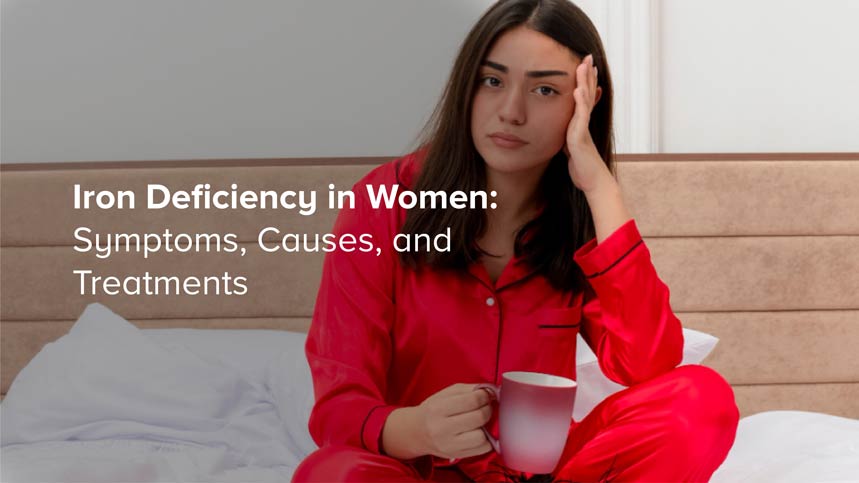


Iron is an essential mineral that plays a crucial role in the production of hemoglobin, a protein in red blood cells responsible for carrying oxygen throughout the body. For women, maintaining adequate iron levels is particularly important due to menstrual blood loss, pregnancy, and other physiological factors. Iron deficiency, if left untreated, can lead to fatigue, weakened immunity, and other health complications. This blog explores the symptoms, causes, and treatments of iron deficiency in women, helping readers understand how to maintain optimal iron levels for overall health.
Understanding Iron Deficiency
Iron deficiency occurs when the body does not have enough iron to produce sufficient hemoglobin. Hemoglobin is vital for transporting oxygen to tissues and organs. When iron levels are low, the body struggles to produce healthy red blood cells, resulting in a condition called iron deficiency anemia. This condition can range from mild to severe and affects millions of women worldwide.
Iron deficiency is more prevalent in women than men, primarily due to menstrual blood loss, pregnancy, and dietary factors. Identifying early signs and taking corrective measures is essential to prevent long-term health problems.
Symptoms of Iron Deficiency in Women
Iron deficiency can manifest in a variety of ways. While some symptoms are subtle and develop slowly, others may be more noticeable. Common signs include:
Causes of Iron Deficiency in Women
Diagnosing Iron Deficiency
Early detection is essential to prevent complications. A healthcare provider may recommend:
Treatments for Iron Deficiency in Women
Iron deficiency is treatable with dietary changes, supplements, and addressing underlying causes. Effective treatments include:
Tips for Better Absorption:
Prevention Strategies
Preventing iron deficiency involves proactive lifestyle and dietary choices:
When to See a Doctor
If symptoms like fatigue, dizziness, or shortness of breath persist, it’s crucial to seek medical advice. Early intervention prevents complications such as severe anemia, weakened immunity, and complications during pregnancy.
Conclusion
Iron deficiency is a common health issue among women but is highly manageable with early detection and appropriate treatment. Recognizing the symptoms, understanding the causes, and implementing dietary or medical interventions can significantly improve health and quality of life. Prioritizing iron intake and consulting healthcare providers for regular check-ups ensures that women maintain healthy iron levels and avoid the complications associated with deficiency.

India is a nation celebrated for its diverse and flavorful cuisine. From the wheat-based...
10-03-2026

Maintaining a balanced diet is fundamental to achieving optimal health and wellness. Vitamins...
10-03-2026
The human body is a complex biological machine that requires a precise balance of vitamins...
10-03-2026
Vitamin Deficiency
15
Heart Disease & Hypertension
39
Gastrointestinal
2
Diabetes
59
Infectious
1
Genomics
1
Genetics
1
Gastrointestinal / Skeletomuscular
2
Allergy
9
Blood Disorders
3
Fever
4
Kidney Disease
8
Thyroid Disorder
5
Liver Disease
6
Anemia
5
Infertility
6
PCOD
3
Bone Health
1
Cancer
1
Fatty Liver
1
Book lab tests, access reports instantly, and get seamless home sample collection with advanced technology.
Trusted by millions, Ampath Labs ensures accurate diagnostics, convenience, and care at your fingertips.




 Select Location



 Get 15% OFF on 1st order above ₹100 Use code: