
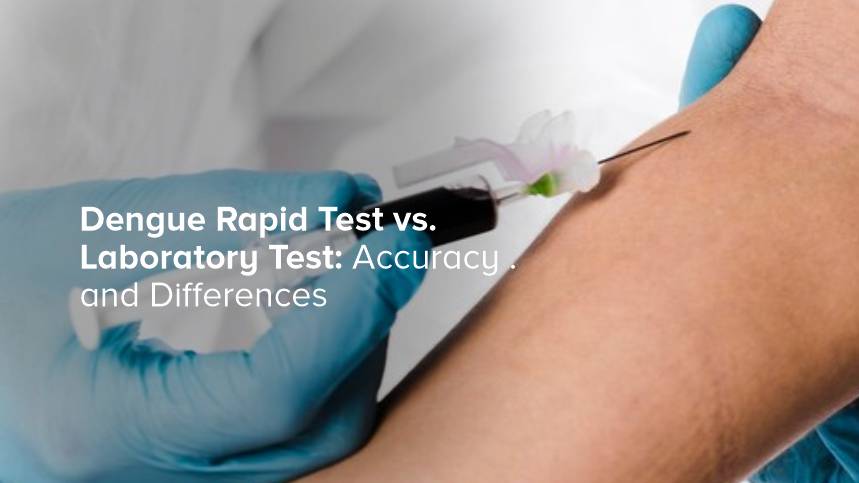


Dengue fever, a mosquito-borne viral infection, poses a significant public health threat, particularly in tropical and subtropical regions. With symptoms ranging from high fever and rash to severe bleeding and organ damage in critical cases, timely and accurate diagnosis is vital. This is where diagnostic testing plays a key role.
When it comes to diagnosing dengue, two primary options are available — Rapid Dengue Tests and Laboratory-Based Tests. While both serve the same purpose, they differ significantly in terms of methodology, accuracy, time to results, and reliability. In this blog, we’ll break down the differences between these two types of tests, explore their respective advantages and limitations.
Understanding Dengue Fever and the Need for Accurate Diagnosis
Dengue is caused by one of four related viruses transmitted by the Aedes mosquito. The early symptoms often mimic other infections such as malaria or flu, making clinical diagnosis challenging. Common symptoms include:
Given these non-specific symptoms, lab confirmation becomes essential to differentiate dengue from other illnesses, monitor disease progression, and prevent complications.
Types of Dengue Diagnostic Tests
Dengue testing falls into two broad categories:
1. Rapid Diagnostic Tests (RDTs)
These are point-of-care tests designed to provide quick results (typically within 15–30 minutes). RDTs detect dengue antigens or antibodies in a patient’s blood.
2. Laboratory-Based Tests
These tests are more sensitive and accurate and are typically performed in certified diagnostic laboratories.
Factors to Consider When Choosing a Dengue Test
Diagnosing dengue fever accurately and promptly is crucial to ensure proper treatment and avoid complications. With multiple testing options available—such as rapid diagnostic tests (RDTs) and laboratory-based tests—knowing which one to choose can be confusing. Here are some essential factors to consider when selecting the most appropriate dengue test:
1. Stage of Infection
The timing of the test in relation to symptom onset is one of the most important factors.
2. Type of Symptoms and Severity
3. Test Accuracy and Reliability
Benefits of Dengue Rapid Test
Benefits of Laboratory Tests (ELISA and RT-PCR)
Conclusion
While both dengue rapid tests and laboratory tests have their place in diagnosis and management, understanding their differences is key to making the right clinical decisions.

India is a nation celebrated for its diverse and flavorful cuisine. From the wheat-based...
10-03-2026

Maintaining a balanced diet is fundamental to achieving optimal health and wellness. Vitamins...
10-03-2026

The human body is a complex biological machine that requires a precise balance of vitamins...
10-03-2026
Vitamin Deficiency
15
Heart Disease & Hypertension
39
Gastrointestinal
2
Diabetes
59
Infectious
1
Genomics
1
Genetics
1
Gastrointestinal / Skeletomuscular
2
Allergy
9
Blood Disorders
3
Fever
4
Kidney Disease
8
Thyroid Disorder
5
Liver Disease
6
Anemia
5
Infertility
6
PCOD
3
Bone Health
1
Cancer
1
Fatty Liver
1
Book lab tests, access reports instantly, and get seamless home sample collection with advanced technology.
Trusted by millions, Ampath Labs ensures accurate diagnostics, convenience, and care at your fingertips.



 Select Location



 Get 15% OFF on 1st order above ₹100 Use code: